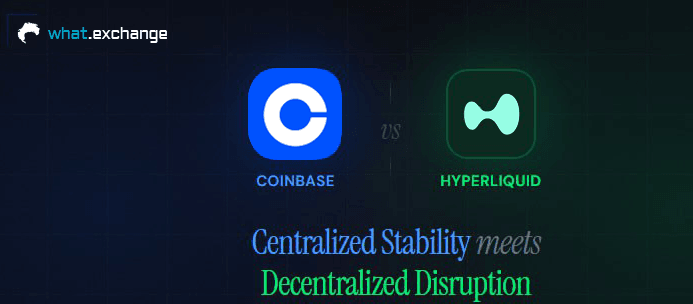




The decentralized trading ecosystem is evolving rapidly, and major platforms are continuously optimizing for better liquidity, stability, and user trust. One of the most discussed updates recently is the shift by Hyperliquid from USDH to USDC as its primary settlement and liquidity asset.
This change is not just a simple token swap — it reflects deeper infrastructure improvements, stronger institutional alignment, and integration with major crypto infrastructure providers like Coinbase, one of the most influential exchanges in the global crypto market.
In this article, we break down why Hyperliquid is replacing USDH with USDC, what Coinbase integration really means, and how this transition impacts traders, liquidity providers, and the broader decentralized finance ecosystem.
Table of Contents
1. What is Hyperliquid?2. USDH vs USDC Explained
3. Why Hyperliquid Is Moving to USDC
4. Coinbase Integration Explained
5. Key Benefits of USDC Adoption
6. Impact on Traders & Liquidity
7. Potential Risks & Concerns
8. Future of Hyperliquid Ecosystem
9. Final Verdict
10. FAQ
If you want to learn how Hyperliquid trading works, you can explore Hyperliquid Trading to analyze real market trends.
1. What is Hyperliquid?
Hyperliquid is a high-performance decentralized perpetual exchange designed for on-chain derivatives trading. It combines the speed of centralized exchanges with the transparency and security of decentralized finance (DeFi).
It is widely known for its order-book-based trading system, deep liquidity design, and ultra-fast execution, making it one of the most advanced decentralized trading platforms in crypto.
- On-chain perpetual futures trading
- High-speed order execution
- Decentralized liquidity infrastructure
- Advanced trading tools for professionals
2. USDH vs USDC Explained
To understand this upgrade, it is important to know the difference between USDH and USDC.
USDH is a native or ecosystem-based stable asset used within Hyperliquid’s trading environment, while USD Coin (USDC) is a fully-backed regulated stablecoin issued by Circle and widely used across global crypto markets.
- USDH: Ecosystem-native settlement asset
- USDC: Fully backed fiat-collateral stablecoin
- Liquidity: USDC has global exchange support
- Trust: USDC offers higher institutional confidence
3. Why Hyperliquid Is Moving to USDC
The decision to replace USDH with USDC is driven by liquidity expansion, regulatory clarity, and deeper integration with global financial infrastructure.
USDC provides stronger price stability, wider exchange compatibility, and seamless cross-platform transfers compared to ecosystem-specific stable assets.
- Improved global liquidity access
- Reduced friction in cross-exchange trading
- Higher institutional adoption
- Better price stability and transparency
4. Coinbase Integration Explained
A major factor behind this shift is deeper integration with Coinbase which significantly strengthens USDC liquidity and on/off-ramp infrastructure.
Coinbase plays a key role in USDC issuance and distribution, ensuring that the stablecoin remains highly liquid, widely accessible, and compliant with global financial standards.
Through this integration, Hyperliquid benefits from faster settlement rails, improved capital efficiency, and stronger connectivity between centralized and decentralized markets.
5. Why These Features Matter in Stablecoin Adoption
The real importance of USDC adoption comes from the practical impact of its core features on trading efficiency, market stability, and institutional usability. Each feature directly contributes to making decentralized trading more reliable, scalable, and globally accessible.
| Feature | Importance in Crypto Markets |
|---|---|
| Stronger Liquidity | Ensures smoother trading, deeper order books, and reduced slippage across exchanges and DeFi platforms. |
| Price Stability | Maintains a reliable 1:1 USD peg, reducing volatility risk for traders and institutions. |
| Faster Settlements | Improves capital efficiency by enabling quick transfers across chains and trading platforms. |
| Institutional Trust | Encourages adoption from hedge funds and large investors due to regulatory backing and transparency. |
| Cross-Platform Compatibility | Allows seamless integration across centralized exchanges, DeFi protocols, and trading ecosystems. |
6. Impact on Traders & Liquidity
For traders, this transition improves capital efficiency and reduces friction when moving funds between centralized exchanges and decentralized platforms.
Liquidity providers also benefit from deeper pools, reduced slippage, and better arbitrage opportunities across markets.
Example: A trader moving USDC from Coinbase to Hyperliquid can instantly access perpetual markets without needing ecosystem-specific conversions like USDH, reducing both cost and execution time.
7. Understanding the Risks Behind Stablecoin Transitions
While the shift toward USDC improves liquidity and market efficiency, it also introduces important structural dependencies that traders and investors should understand. In decentralized finance, every improvement in stability and adoption often comes with trade-offs in centralization, regulation, and ecosystem reliance.
These risks do not necessarily reduce the value of USDC adoption, but they highlight how deeply interconnected modern crypto infrastructure has become with centralized financial systems and regulatory frameworks.
Relative Risk Impact in Stablecoin Ecosystem (Illustrative)
Centralized Dependency Risk
Regulatory Exposure Risk
Transition Friction Risk
Risk Distribution Breakdown
● Centralized Dependency (40%)
● Regulatory Risk (30%)
● Transition Friction (30%)
- Increased reliance on centralized stablecoin issuer: USDC depends on regulated entities, which can introduce central points of control in a decentralized ecosystem.
- Regulatory changes affecting stablecoins: Global regulations can impact issuance, usage, or liquidity flows of USDC across regions.
- Potential ecosystem transition friction: Migrating from USDH to USDC may temporarily affect liquidity routing, integrations, and user experience.
8. The Future of the Hyperliquid Ecosystem After USDC Integration
The integration of USDC and deeper alignment with Coinbase infrastructure marks a major structural upgrade for Hyperliquid. It is no longer just positioning itself as a high-speed decentralized exchange, but evolving into a full-scale institutional-grade derivatives trading ecosystem with global liquidity access.
This transition strengthens trust among professional traders, improves capital efficiency, and reduces friction between centralized and decentralized markets—two worlds that have traditionally operated in isolation.
Projected Ecosystem Growth After USDC Integration (Illustrative)
Institutional Participation
Liquidity Depth Expansion
Cross-Exchange Connectivity
Retail Trader Adoption
As more liquidity providers, hedge funds, and institutional traders enter the ecosystem, Hyperliquid is expected to benefit from deeper order books, improved price discovery, and stronger market stability across perpetual futures markets.
In the long run, this shift could help bridge the gap between traditional finance and decentralized trading, making Hyperliquid one of the key infrastructures powering the next generation of crypto derivatives markets.
9. Final Verdict
The replacement of USDH with USDC on Hyperliquid represents a strategic move toward stronger liquidity, better interoperability, and institutional adoption.
Backed by Coinbase’s stablecoin infrastructure, this transition improves trust, usability, and scalability for the entire ecosystem.
For traders exploring advanced market insights, understanding liquidity shifts like this is key to staying ahead in crypto derivatives trading.
Frequently Asked Questions (FAQ)
Why is Hyperliquid replacing USDH with USDC?
To improve liquidity, stability, and global interoperability.
What is USDC?
USDC is a fully backed USD stablecoin widely used in crypto markets.
How does Coinbase affect this change?
Coinbase strengthens USDC infrastructure, making it more reliable and liquid.
Does this impact trading on Hyperliquid?
Yes, it improves settlement speed, liquidity depth, and capital efficiency.
Is this good for traders?
Generally yes, as it reduces friction and increases market stability.