


Summary
This is a market-cap-ranked research shortlist, not a personalized buy recommendation or price forecast.
- This is a research shortlist, not a prediction or an instruction to buy: BTC, ETH, BNB, XRP and SOL were selected by market-cap rank, with stablecoins excluded.
- Each token has a different job: Bitcoin is a peer-to-peer monetary network; ETH, BNB and SOL also pay for activity on their respective chains; XRP is native to the XRP Ledger.
- A useful network does not automatically make its token cheap or profitable. Supply design, real usage, competition, custody and regulation all matter.
- The USD prices and market caps below are a dated snapshot, not live quotes. They were last checked on 30 September 2026.
“Top crypto coins to buy right now” is a question about both timing and suitability. No public ranking can answer either for every reader. This guide starts with five of the largest non-stablecoin assets by market capitalization, explains the role each token plays, and sets out the main risks to investigate before making a decision.
What does “buy right now” mean in this guide?
Here, “right now” means a current, clearly timestamped market snapshot—not a short-term trade signal. The five names are ranked by reported market capitalization, with stablecoins excluded so the comparison focuses on assets whose market prices fluctuate.
The snapshot uses USD figures last updated at 05:02:20 UTC on 30 September 2026; market-cap order was cross-checked against CoinMarketCap, and reference prices were checked against Kraken spot quotes at about 05:05 UTC. Different providers and exchanges can show slightly different prices. The figures are rounded and are not executable offers.
USDT and USDC occupy market-cap ranks between the listed assets, which is why the non-stablecoin ranks shown in the table are 1, 2, 4, 5 and 7—not 1 through 5. Twenty-four-hour percentage moves are omitted because the data feeds did not agree closely enough to support a clean comparison at collection time.
Important: Market capitalization measures the market value of circulating tokens at a point in time. It does not say that an asset is undervalued, predict its next move or prove that demand will continue.
What are the current market ranks, prices and sizes?
At the snapshot time, Bitcoin and Ether led this non-stablecoin comparison by market value; BNB, XRP and Solana followed. The figures provide scale and context, not a score for expected returns.
| Asset | Market-cap rank* | Reference price (USD) | Market cap | What the token does | Key consideration |
|---|---|---|---|---|---|
| Bitcoin (BTC) | 1 | $83,271 | $1.673T | Native asset of a peer-to-peer monetary network; block subsidy follows a programmed halving schedule. | Scarce issuance does not guarantee demand or price appreciation. |
| Ethereum (ETH) | 2 | $2,671.52 | $326.24B | Pays network gas and is used in staking on Ethereum. | Fees and activity can change; token supply is not a fixed cap. |
| BNB | 4 | $763.01 | $101.61B | Used for gas and staking on BNB Smart Chain; also supports ecosystem governance. | Utility is linked to BNB Chain use; burns do not assure a higher price. |
| XRP | 5 | $1.50 | $94.46B | Native cryptocurrency supported by the XRP Ledger; transaction fees destroy a small amount. | Historical supply allocation and future ledger demand merit scrutiny. |
| Solana (SOL) | 7 | $118.94 | $69.96B | Pays transaction fees and can be staked to support the Solana network. | Staking rewards vary; fees and network demand can change. |
*Rank in the full market-cap list, including stablecoins. Prices and market caps are rounded snapshots; price is not a suggested entry point.
Why is Bitcoin (BTC) on the shortlist?
Bitcoin is the largest asset in this snapshot and has a simple core role: BTC is the native asset of a peer-to-peer network that records and validates transactions. Its block subsidy declines on a preset schedule, halving every 210,000 blocks.
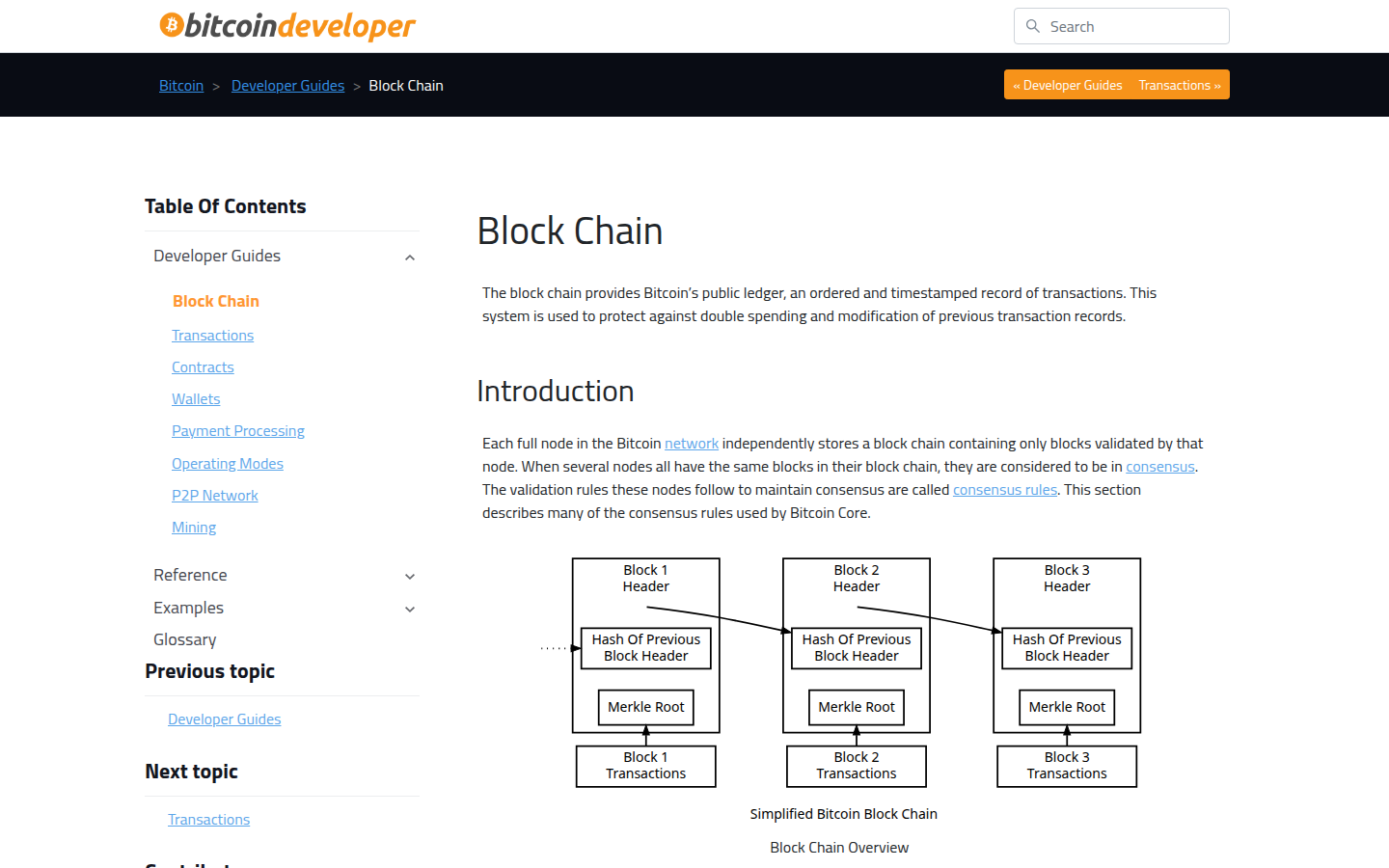 Source: Bitcoin Blockchain guide
- Why investors study it: BTC has the highest market-cap rank in this comparison and a predictable new-issuance schedule.
- What can go wrong: A fixed or declining issuance schedule cannot create demand by itself. Bitcoin also has no contractual cash flow to value like a bond or company dividend, and market prices can fall sharply.
- Useful question: Is your thesis based on sustained demand for Bitcoin’s monetary role, or only on the expectation that scarcity will lift the price?
Why is Ethereum (ETH) on the shortlist?
ETH is Ethereum’s native asset: users pay gas in ETH to use the network, and validators stake ETH to help secure it. That gives ETH a direct link to activity on Ethereum, but it does not guarantee that network use will translate into token appreciation.
 Source: Ethereum Chain Guide
- Why investors study it: Ethereum supports programmable applications, and ETH is used to pay for transactions and participate in staking.
- What can go wrong: Network fees vary with conditions; competing networks and changes in where users transact can affect demand for Ethereum’s base layer. ETH does not have a fixed maximum supply like Bitcoin’s commonly cited issuance cap.
- Useful question: Does your view account for both Ethereum’s activity and how much value the native token captures from that activity?
Why is BNB on the shortlist?
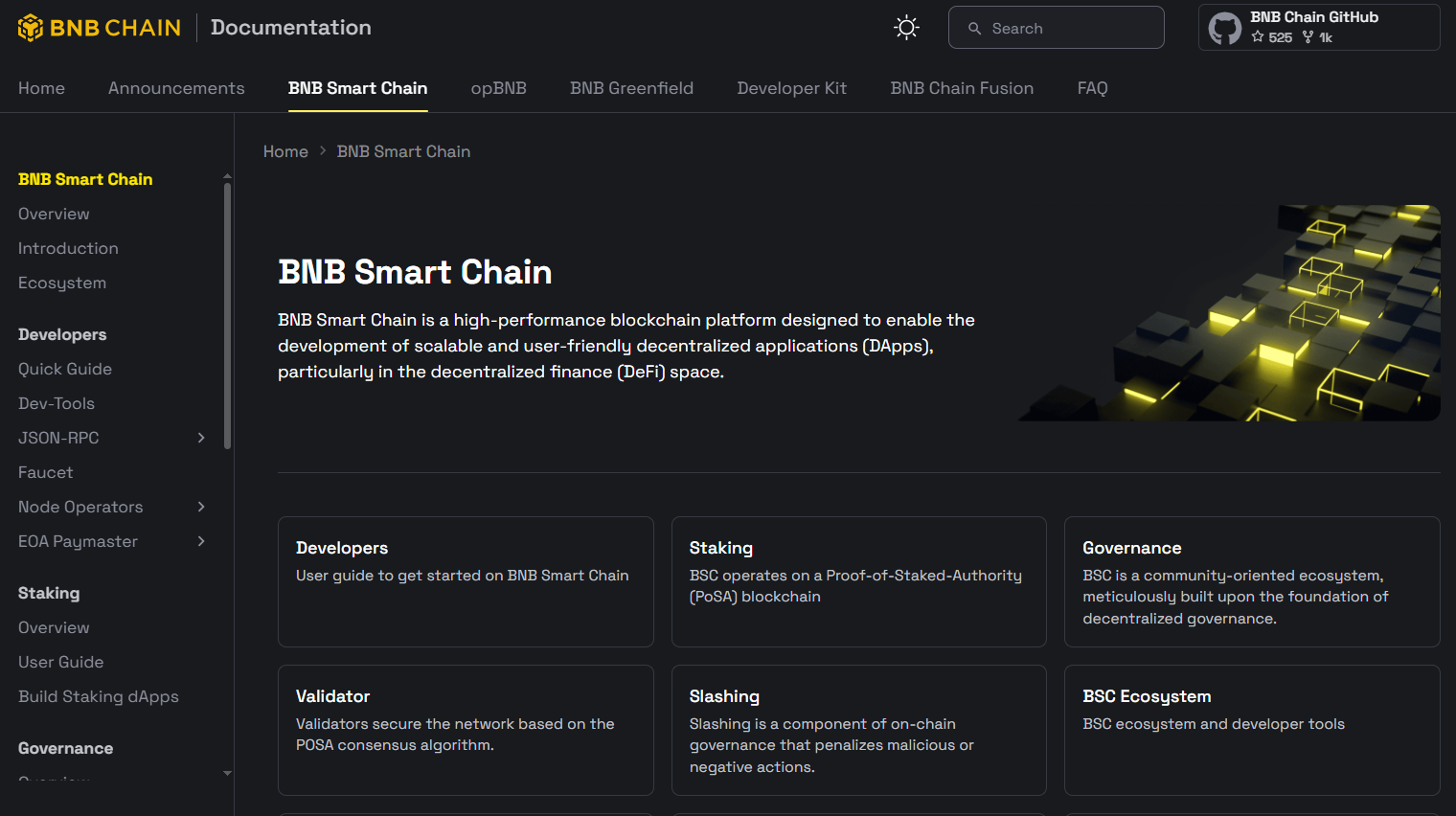
BNB is used for gas on BNB Smart Chain and for staking; it also has a role in the chain’s governance. BNB Chain describes recurring automatic burns and a separate mechanism that burns a portion of gas fees, but those mechanisms are token-supply rules—not a promise about BNB’s price.
 Source: BNB chain Documentation
- Why investors study it: The token has several stated uses within the BNB Chain ecosystem, so activity and demand for those services are central to the thesis.
- What can go wrong: Value depends in part on continuing use of that ecosystem. BNB Smart Chain’s documentation describes a limited active validator set; readers should weigh the network’s validator design and concentration trade-offs rather than assume every chain has the same decentralization model.
- Useful question: Would the token still fit your thesis if chain usage slowed, fee demand shifted, or a burn failed to offset selling?
Why is XRP on the shortlist?
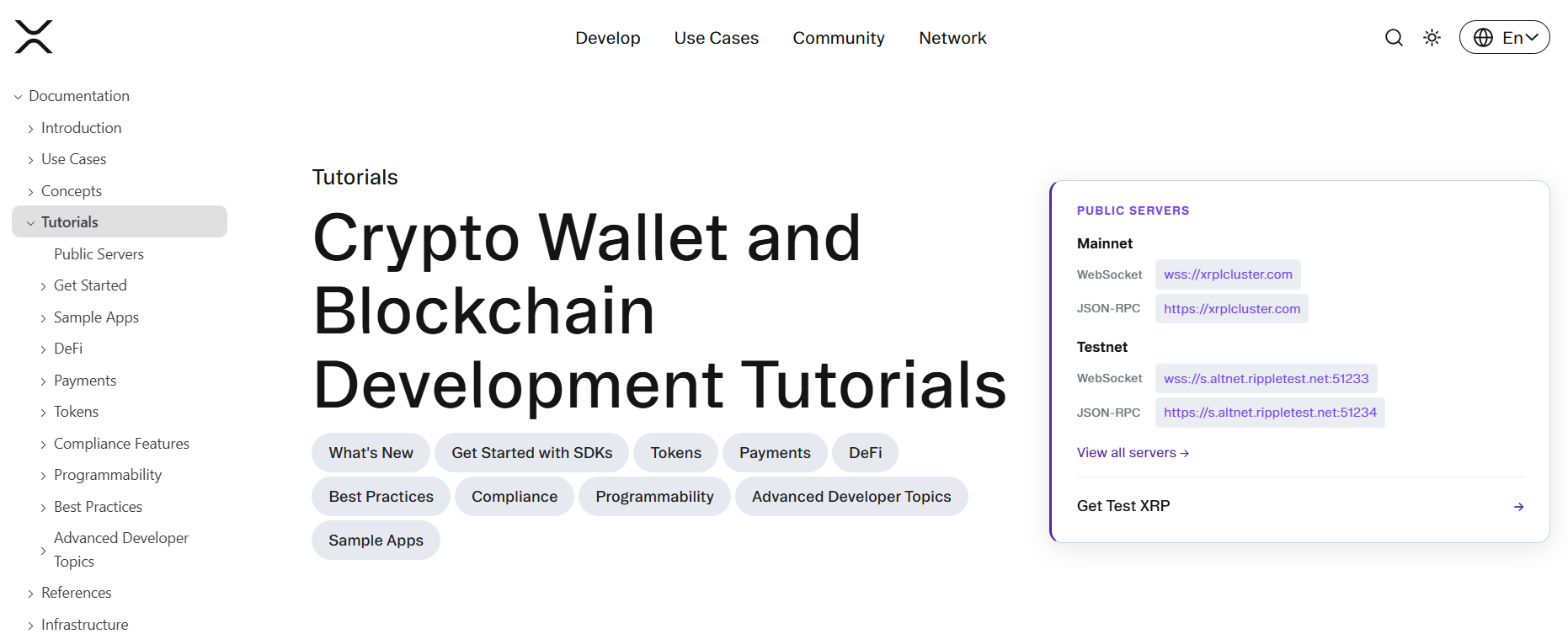
XRP is the cryptocurrency supported by the XRP Ledger. The asset and Ripple—the company—are not interchangeable terms: a token’s use on a ledger does not by itself give its holder ownership of a company.
 Source: XRP Tutorials Guide
- Why investors study it: XRP is designed into the ledger’s transaction system, and a small amount is destroyed as transaction fees are paid.
- What can go wrong: The ledger’s official history says 100 billion XRP existed at creation, that 80 billion XRP was gifted to Ripple in 2012, and that 55 billion XRP was placed in escrow in 2017. These are historical figures, not a statement of current balances. They make supply distribution and future releases important due-diligence questions.
- Useful question: What present-day ledger activity would support your XRP thesis, and how are you distinguishing Ripple’s business from the XRP token?
Why is Solana (SOL) on the shortlist?
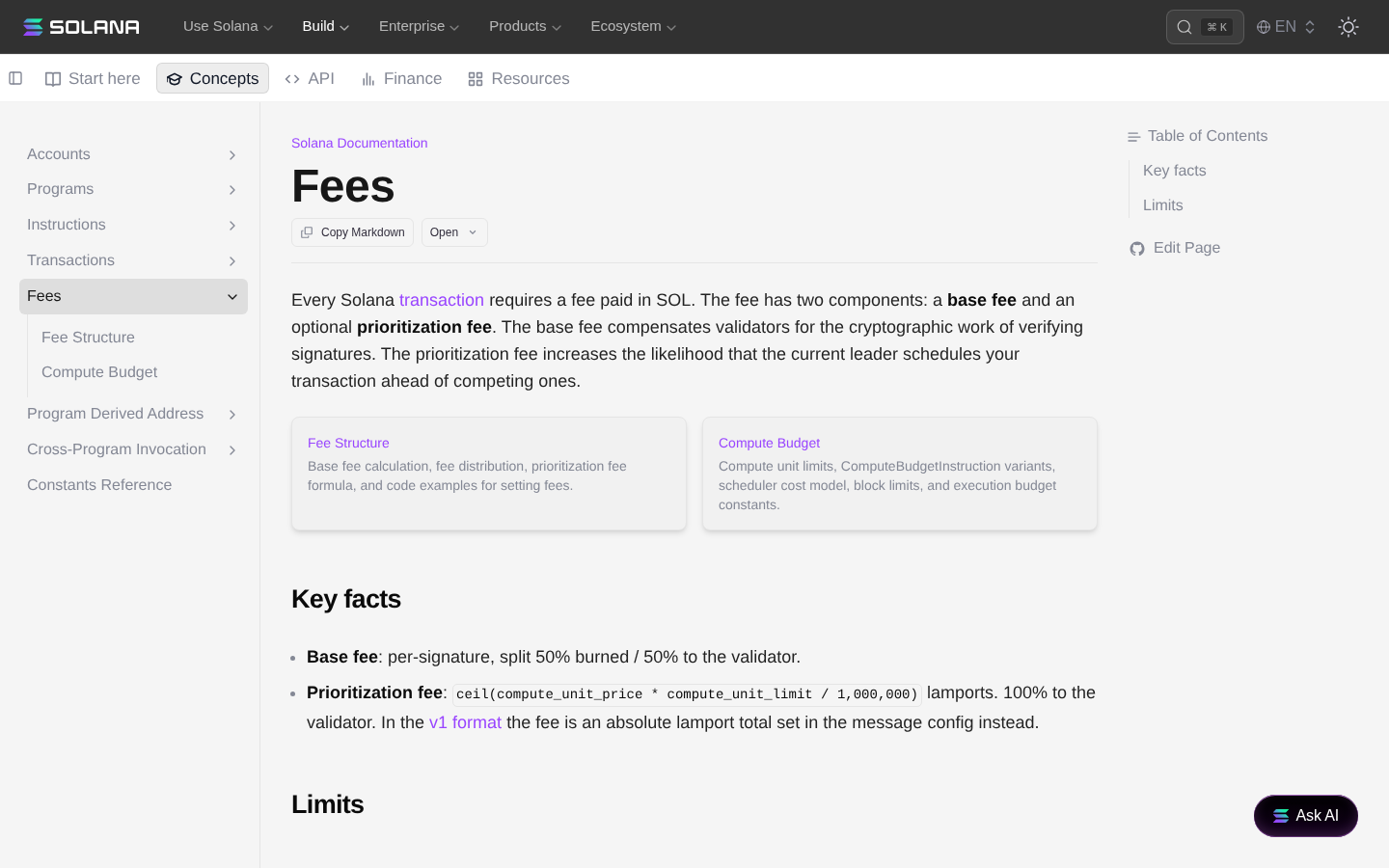
SOL pays Solana transaction fees and can be staked with validators. Solana’s fee design includes a base fee and an optional priority fee; the latter can help a transaction compete for earlier processing, so the cost can reflect demand.
 Source: Solana Documentation
- Why investors study it: SOL has utility for network transactions and staking, while Solana supports applications that compete for developers and users.
- What can go wrong: Solana says staking rewards depend on the inflation rate, the total amount of SOL staked, and a validator’s uptime and commission. Those variables mean a quoted reward rate is not guaranteed. Priority fees may also rise when users compete for block space.
- Useful question: Are you assessing network adoption and token supply effects, or treating a variable staking reward as a guaranteed return?
How can you assess these coins without treating the list as a buy signal?
Compare the reason you would hold an asset with the risks that could disprove that reason. Before committing money, check the token’s actual role, supply mechanics, network use, custody path, fees and the rules that apply where you live.
| Check | Ask yourself |
|---|---|
| Thesis | What specific network or monetary use do you expect to persist? What evidence would show that the thesis is weakening? |
| Token economics | How are new tokens issued, fees handled, burns applied, and existing supply distributed? Do not confuse a supply mechanism with a guaranteed return. |
| Price risk | Could you tolerate a large decline without selling under pressure? Market-cap rank is not a measure of downside protection. |
| Practical risks | Can you securely hold the correct asset on the correct network, understand transaction fees, and verify the platform and local rules? |
| Portfolio fit | Would the position be a manageable part of your overall finances, rather than money needed for bills, debt payments or near-term plans? |
Keep the distinction clear: “Largest” describes size; “useful” describes a function; “cheap” requires a valuation framework; “likely to rise” is a forecast. None of those claims automatically follows from another.
Frequently Asked Questions (FAQs)
Does a high market-cap rank mean a coin is undervalued?
A: No. Market capitalization is a size measure based on price and circulating supply. It is not a fair-value estimate or a forecast.
Are these five guaranteed to be profitable?
A: No. Crypto prices can fall substantially, and protocol utility, staking or token burns do not guarantee a positive return.
Which one is the safest?
A: This article does not rank the assets by safety. Each has market, technology, custody and regulatory risks; a reader’s circumstances also change what “risk” means.
Why are stablecoins absent?
A: The shortlist deliberately compares non-stablecoin assets with fluctuating prices. Stablecoins serve a different purpose and have their own issuer, reserve, redemption and de-pegging risks.
Are the prices still current?
A: They were current at the stated snapshot time, but crypto prices move continuously. Check a live market source and your intended venue before acting.
What steps should a reader take next?
Use this shortlist to decide what to research, not what to buy directly.
- Write down a specific thesis for the asset and what evidence would change your mind.
- Check live prices, circulating-supply definitions and network conditions again before making any decision.
- Consider custody, transaction fees, applicable local rules and the possibility of losing the entire amount invested.
- Avoid treating this ranking, a screenshot, a burn, or a staking estimate as a promise of future performance.
Disclaimer: This article is general educational information, not personalized investment, legal or tax advice. Digital assets are high risk and may lose substantial or all of their value. Market data is a historical snapshot from 30 September 2026.