



In the dynamic landscape of decentralized finance (DeFi), tokenomics play a crucial role in determining a protocol's long-term viability and value accrual. Hyperliquid, a leading perpetual futures decentralized exchange (DEX), has distinguished itself with an exceptionally aggressive and transparent fee-to-buyback mechanism for its native HYPE token. This article delves into the complications of Hyperliquid's "HYPE Buyback Mechanism," exploring how its unique approach to fee distribution promotes token strength and drives outperformance in a competitive market.
Understanding the Hyperliquid Assistance Fund
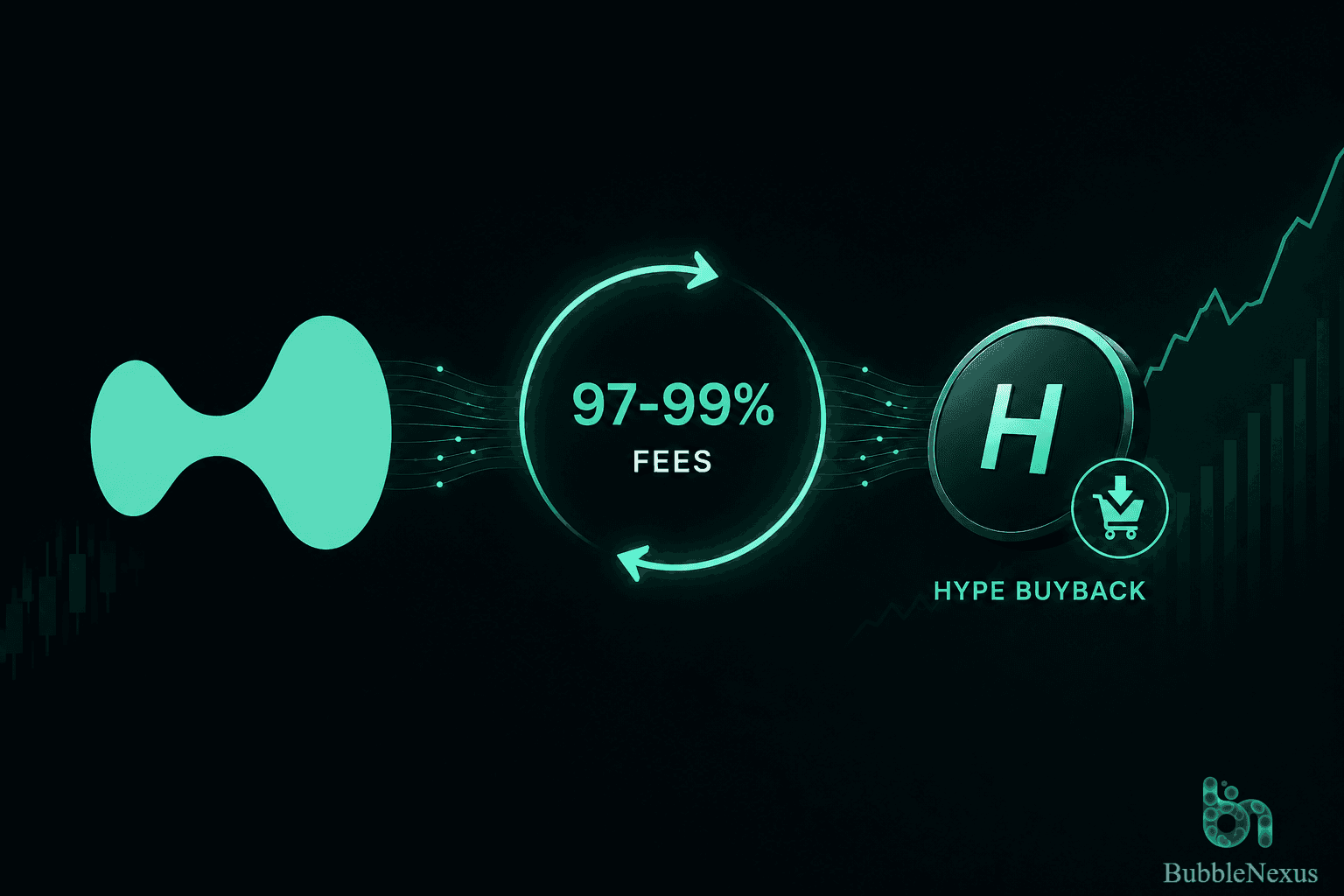
At the core of Hyperliquid's tokenomics is the Assistance Fund (AF), an automated on-chain mechanism designed to channel a significant portion of protocol fees directly into HYPE token buybacks. Unlike many traditional exchanges or even other DeFi protocols where fees might accrue to a treasury, be distributed to stakers, or fund operational costs, Hyperliquid dedicates an unprecedented 97-99% of its generated trading fees to this fund. This aggressive allocation ensures that nearly all revenue generated by the platform directly benefits HYPE token holders through continuous market purchases.
- High Allocation: Roughly 97-99% of all trading fees are directed to the Assistance Fund.
- Automated & On-Chain: Buybacks are executed automatically and transparently on-chain, reducing discretion and increasing trust.
- Continuous Market Purchases: The fund continuously buys HYPE tokens from the open market, creating constant buying pressure.
- Token Removal: Purchased HYPE tokens are removed from circulation, contributing to deflationary pressure and scarcity.
The Buyback Mechanism: Driving strength and Outperformance
As Hyperliquid's trading volume increases, so does the revenue generated from fees. This increased revenue is then almost entirely reinvested into buying back HYPE tokens, which in turn reduces the circulating supply and can lead to price appreciation. A higher HYPE price can attract more attention and users to the platform, potentially leading to even greater trading volume and further strengthening the flywheel.
This continuous buying pressure acts as a significant support for the HYPE token's price, contributing to its strength even during broader market downturns. Furthermore, by consistently reducing supply, the mechanism positions HYPE for potential outperformance compared to tokens with less aggressive or more diluted value accrual strategies.
Comparison with Other Perp DEXs
To appreciate the uniqueness of Hyperliquid's approach, it's beneficial to compare it with other prominent perpetual DEXs. While many protocols implement some form of value accrual for their native tokens, Hyperliquid's 97-99% fee-to-buyback ratio stands out as one of the most aggressive in the DeFi space. For instance, other DEXs might distribute a smaller percentage of fees to stakers, use them for protocol development, or burn them less frequently. Hyperliquid's direct and substantial reinvestment creates a more immediate and tangible impact on its token's supply dynamics.
| Platform | Fee Allocation to Token Holders/Buybacks | Mechanism | Key Differentiator |
|---|---|---|---|
| Hyperliquid | 97-99% of trading fees | Automated on-chain buybacks via Assistance Fund | Most aggressive fee-to-buyback ratio in DeFi |
| dYdX | Varies, often through staking rewards or governance-decided burns | Staking, governance-controlled treasury | Pioneer in perp DEXs, mature ecosystem |
| GMX | 70% of protocol fees to GMX stakers | Fee distribution to stakers, GLP liquidity provision | Unique GLP liquidity pool model |
Conclusion
Hyperliquid's HYPE buyback flywheel represents a compelling model for token value accrual in the DeFi space. By committing an overwhelming majority of its protocol fees to automated, on-chain buybacks, Hyperliquid not only demonstrates a strong commitment to its token holders but also creates a self-reinforcing mechanism that drives token resilience and fosters long-term outperformance. As the DeFi derivatives market continues to mature, such innovative and transparent tokenomic structures will likely become increasingly vital for protocols aiming to establish sustainable growth and robust ecosystems.
Frequently Asked Questions
What is the HYPE buyback flywheel?
The HYPE buyback flywheel is Hyperliquid's mechanism that uses a large share of platform revenue to purchase HYPE tokens from the open market. This creates continuous buying pressure while aligning the protocol's success with the token's long-term value.
Why does Hyperliquid allocate 97–99% of its fees to buybacks?
Hyperliquid directs approximately 97–99% of eligible platform fees toward purchasing HYPE tokens. The objective is to reinvest protocol revenue into the ecosystem, support token demand, and encourage sustainable long-term growth.
How does the buyback mechanism affect HYPE holders?
Consistent buybacks can increase demand for HYPE by regularly purchasing tokens from the open market. While this may support the token's value over time, its price also depends on trading activity, market sentiment, liquidity, and broader crypto market conditions.
What powers the HYPE buyback flywheel?
The flywheel is driven by Hyperliquid's trading volume. As users generate more trading fees, the protocol has more revenue available for HYPE buybacks, creating a self-reinforcing cycle tied to platform adoption and activity.