



Source: Robinhood Ventures
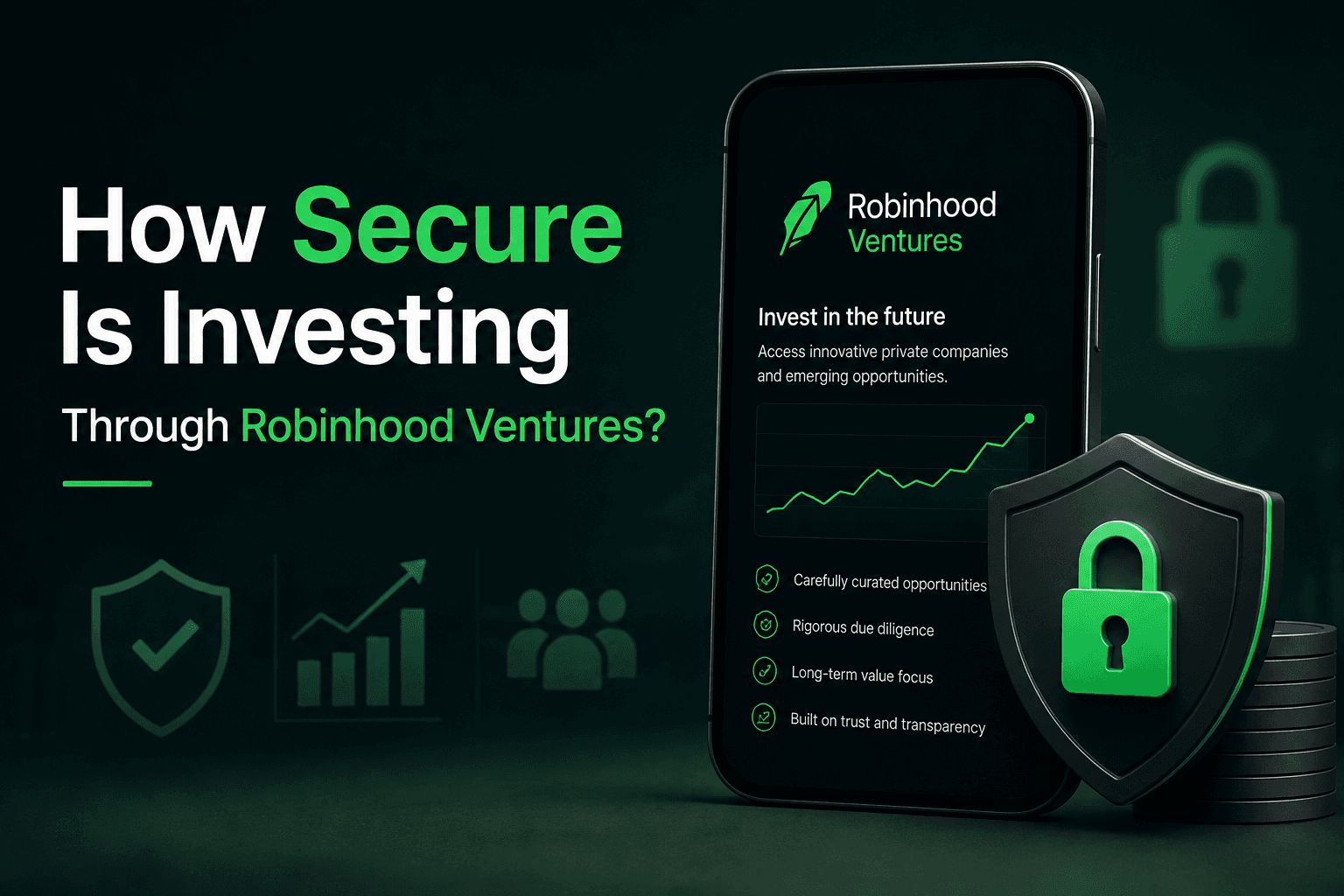
Robinhood Ventures provides public access to private market investments through its regulated closed-end funds, RVI and RVII. While these funds are registered under the Investment Company Act of 1940 and managed by a registered investment adviser, they carry significant risks inherent to private equity, including illiquidity and valuation uncertainty.
Summary:- Regulated Framework: Funds are registered under the Investment Company Act of 1940 and managed by an SEC-registered adviser.
- No Accreditation Needed: Unlike traditional venture capital, Robinhood Ventures is open to all investors with no minimum income or net worth requirements.
- Private Market Risk: Investments focus on private companies, which are speculative and involve a high degree of risk and potential loss of principal.
- illiquidity: Closed-end funds do not redeem shares on request; liquidity depends on the development of an active public market on exchanges like the NYSE.
- Transparency: Periodic public disclosures and SEC filings (e.g., Annual Reports, Prospectuses) are required for both funds.
Is investing through Robinhood Ventures secure?
Investing through Robinhood Ventures is "secure" in terms of regulatory oversight and transparency, but it remains a high-risk, speculative investment where the loss of principal is possible.
- Regulatory Oversight: Robinhood Ventures DE, LLC is an SEC-registered investment adviser (formed in August 2025). The funds (RVI and RVII) are regulated investment companies.
- Public Filings: Investors have access to prospectuses, annual reports, and Section 16 filings via the SEC's EDGAR system, ensuring transparency of the fund's holdings and management actions.
- Custody & Brokerage: Brokerage services are provided through Robinhood Financial LLC, a registered broker-dealer and member of SIPC.
Key Insight: While Robinhood Ventures simplifies access to private companies, it does not eliminate the fundamental risks of venture capital, such as the high failure rate of early-stage startups.
What is the difference between Fund I (RVI) and Fund II (RVII)?
The primary difference lies in their investment focus: RVI targets mature, "frontier" private companies, while RVII focuses on a broader, diversified portfolio of early- and growth-stage startups.
| Feature | Fund I (RVI) | Fund II (RVII) |
|---|---|---|
| Structure | Closed-End Fund | Business Development Company (BDC) |
| Investment Focus | Concentrated "Frontier" Companies | Diversified Early/Growth Stage |
| Key Partnerships | Direct investments (e.g., OpenAI, Databricks) | Focus on Y Combinator alumni |
| Exchange Listing | NYSE (Live) | NYSE (Intended) |
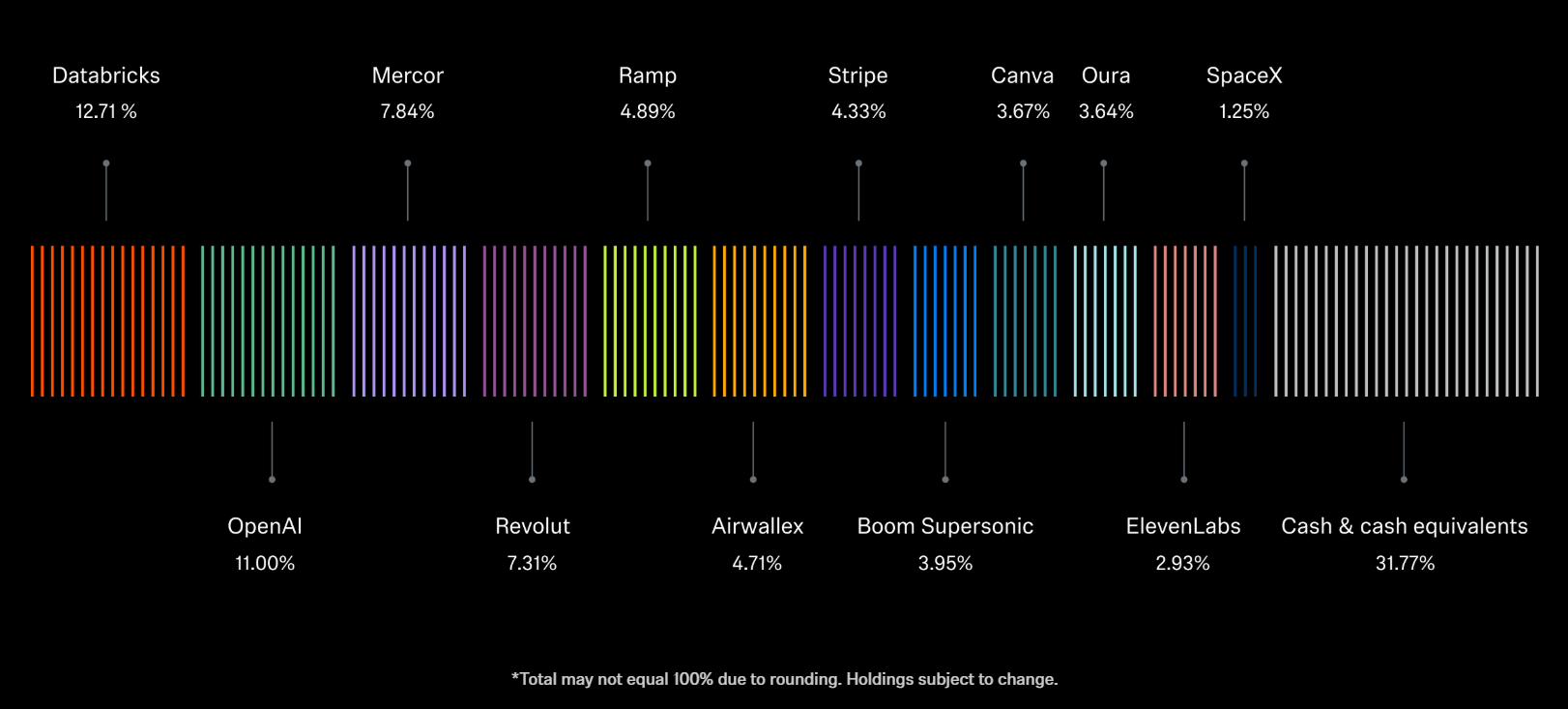
Fund I (RVI)
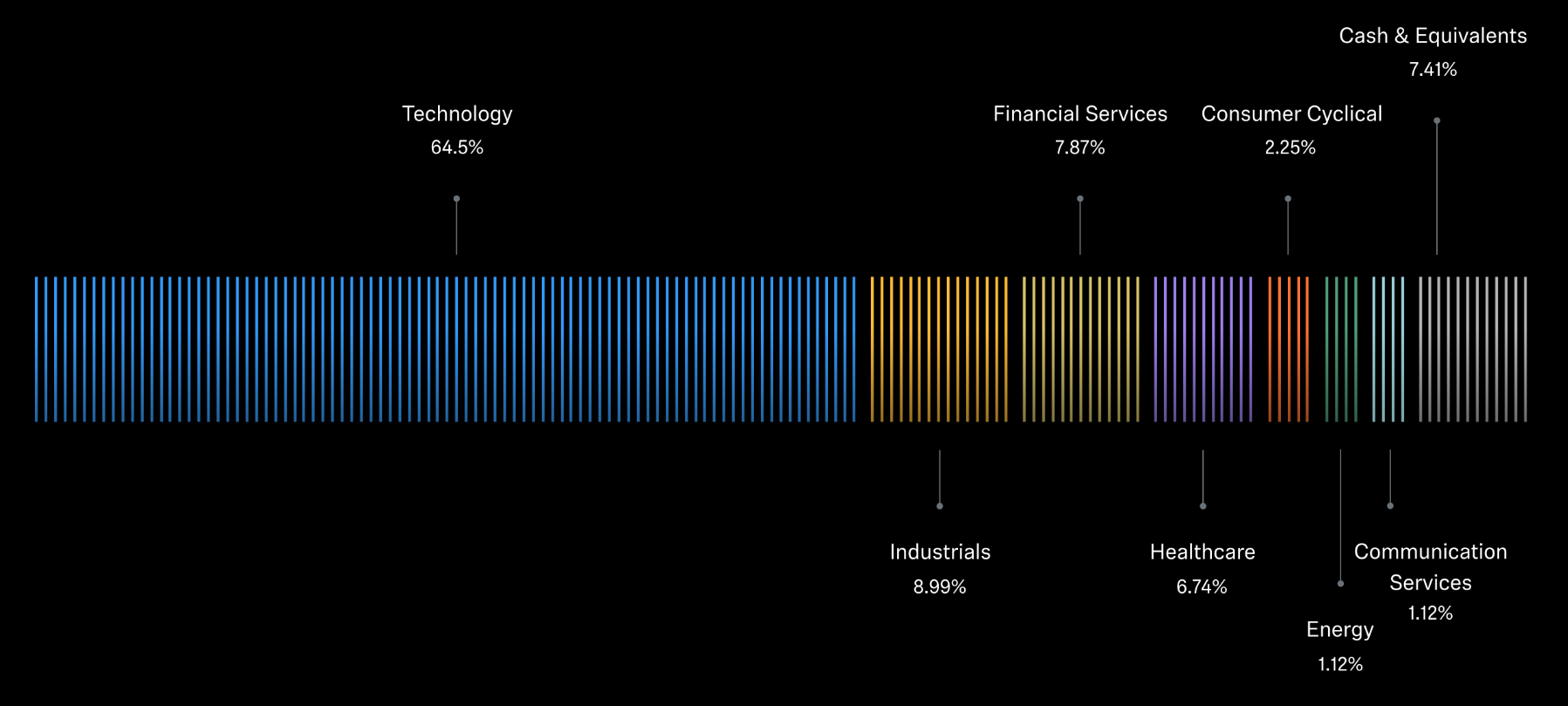
Fund II (RVII)
What risks should investors watch for in Robinhood Ventures?
The most critical risks are the illiquidity of private assets, valuation uncertainty, and the potential for a total loss of investment in early-stage companies.
- Illiquidity: Shares are not redeemable at the request of the investor. If a public market does not develop or lacks volume, shareholders may not be able to sell their shares.
- Valuation Uncertainty: Private companies do not have daily market prices; their value is estimated (Net Asset Value), which may not reflect their actual worth during a liquidity event.
- No Dividends: Neither fund anticipates paying predictable quarterly dividends, which can delay or reduce total returns for investors.
- Affiliate Conflict: Robinhood and its affiliates generally earn more from these affiliated funds than from unaffiliated ones, creating a potential conflict of interest.
Warning: Most early-stage companies fail. Investors in RVII should be prepared for the possibility of losing their entire principal investment.
Frequently Asked Questions (FAQs)
Q: Do I need to be an accredited investor to join Robinhood Ventures?
A: No. Robinhood Ventures funds are designed for all investors, with no minimum income or net worth requirements.
Q: Can I sell my shares at any time?
A: While the funds are listed on exchanges like the NYSE, they are closed-end funds. You can only sell if there is a buyer in the public market; the fund itself will not buy back your shares.
Q: What companies are in the portfolio?
A: Fund I includes companies like OpenAI, Databricks, and SpaceX. Fund II focuses on Y Combinator alumni and early-stage tech startups.
Q: Are there performance fees?
A: It depends on the fund.
• RVI (Fund I): does not charge performance fees or carried interest — only a management fee applies.
• RVII (Fund II): charges a 20% capital gains incentive fee on realized gains (in addition to its 2% management fee).