



As of July 13, 2026
Introduction
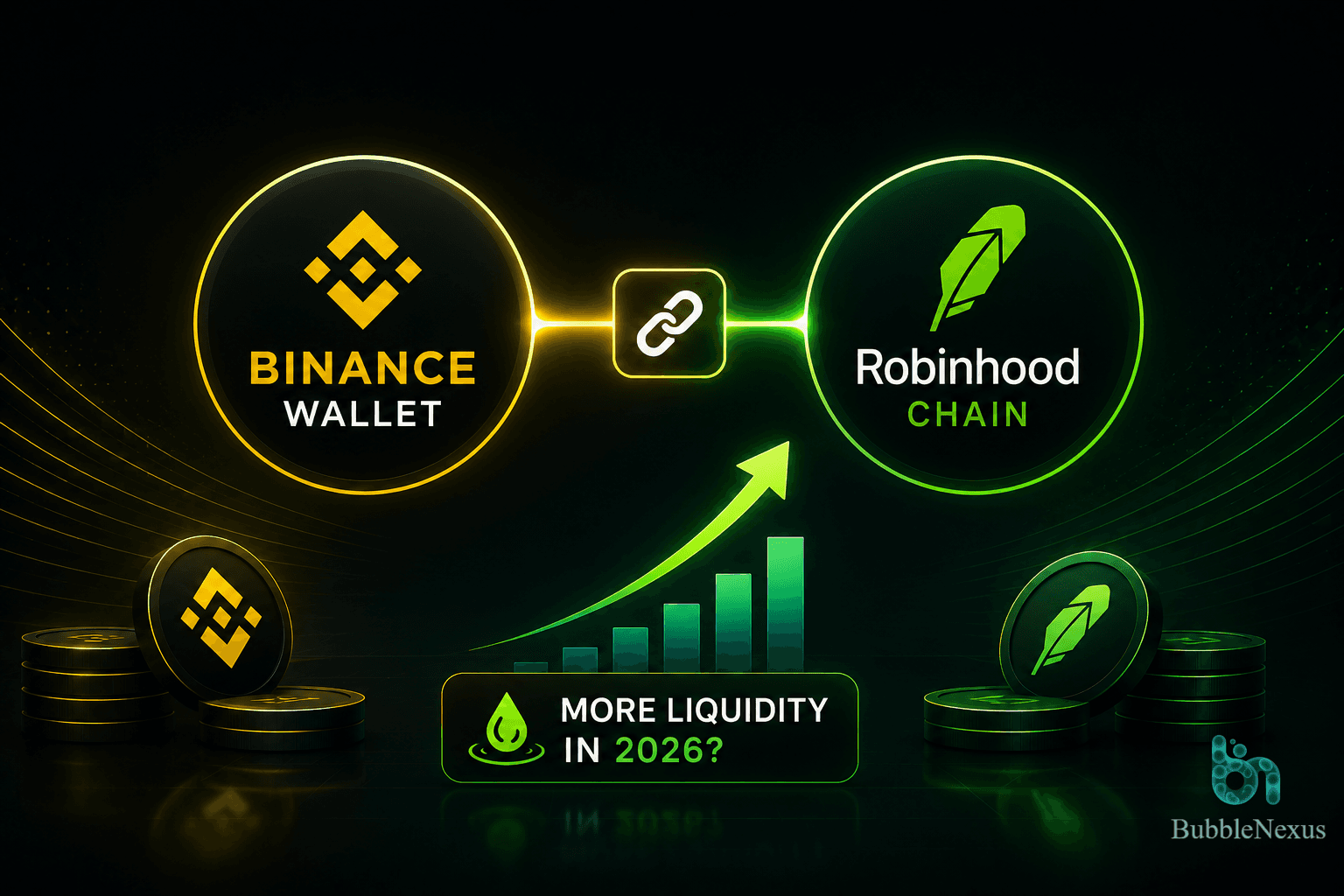
The cryptocurrency landscape is constantly evolving, with integrations and partnerships driving innovation and expanding accessibility. A recent development that has captured significant attention is the integration of Robinhood Chain into the Binance Wallet. This move, announced recently, signals a potential shift in liquidity dynamics within the DeFi space, particularly as we look towards 2026 and beyond.
Key Highlights of the Integration
- Enhanced Accessibility: Binance Wallet users can now directly access and trade Robinhood Chain tokens within the app and browser extension.
- Broader Ecosystem Reach: The integration connects Robinhood Chain's growing ecosystem, including tokenized stocks and DeFi primitives, to Binance's vast user base.
- Potential for Increased Liquidity: By tapping into Binance's extensive network, Robinhood Chain could see a significant boost in trading volume and overall liquidity.
- Focus on Real-World Assets (RWAs): Robinhood Chain is purpose-built for tokenized RWAs, and this integration could accelerate their adoption and trading.
The Binance Wallet Integration: What It Means
The integration of Robinhood Chain into the Binance Wallet allows millions of Binance users to directly interact with the Robinhood Chain ecosystem. This means users can now access and trade Robinhood Chain-based tokens without needing to navigate to separate platforms or use different wallets.
User Experience and Accessibility
Direct Access
Trade Robinhood Chain tokens directly within Binance Wallet.
Seamless Trading
Eliminates the need for multiple wallets or complex bridging.
Wider Adoption
Exposes Robinhood Chain to Binance's massive user base.
To utilize this new functionality, users are required to upgrade their Binance Wallet extension to v1.14.0 or above. This ensures compatibility and access to the integrated features.
The Liquidity Question: More Incoming in 2026?
The central question surrounding this integration is its impact on liquidity. Robinhood Chain's launch week saw an impressive $570 million in trading volume against just $21.68 million of liquidity, a 26-to-1 ratio unprecedented in DeFi. While much of this initial volume was driven by memecoin speculation and incentive-backed deposits, the integration with Binance Wallet could provide a more sustainable and significant liquidity injection.
Factors Influencing Future Liquidity
| Factor | Impact on Liquidity |
|---|---|
| Binance User Base | Binance's vast user network can bring a substantial influx of new capital and trading activity to Robinhood Chain, increasing demand for its assets. |
| Tokenized RWAs | The unique offering of tokenized stocks on Robinhood Chain could attract traditional investors seeking 24/7 access and DeFi composability, diversifying liquidity sources. |
| DeFi Incentives | Continued incentives, such as Robinhood Earn's 7% APY on USDG stablecoins and volume rewards on ecosystem protocols, will play a crucial role in attracting and retaining liquidity providers. |
| Market Structure | The performance of AMMs for stock tokens and the potential for order-book models will determine the efficiency and depth of liquidity for these assets . |
While initial liquidity was heavily influenced by speculative trading, the long-term success and sustained liquidity of Robinhood Chain will depend on its ability to convert mercenary capital into long-term residents. The Binance Wallet integration is a significant step in this direction, potentially providing the necessary distribution and user base to foster a more robust and diverse liquidity pool.
Challenges and Future Outlook
Despite the promising integration, Robinhood Chain faces several challenges. The initial reliance on memecoin speculation for volume, the structural nature of its Stock Tokens as debt securities rather than direct ownership, and the centralized sequencer in its early stages are all points of scrutiny.
Key Considerations for Growth
- Regulatory Clarity: The evolving regulatory landscape for tokenized securities and DeFi will significantly impact Robinhood Chain's global expansion, especially in key markets like the US.
- Decentralization Roadmap: The transition from a centralized sequencer to a more decentralized model will be crucial for building trust and long-term sustainability.
- User Adoption Beyond Speculation: Converting initial speculative interest into sustained engagement with tokenized RWAs and other DeFi products is vital for organic growth.
- Competitive Landscape: The DeFi space is highly competitive, and Robinhood Chain will need to continuously innovate to attract and retain users and liquidity providers.
Conclusion
The Binance Wallet integration expands access to Robinhood Chain, potentially driving greater user adoption and trading activity. Although long-term liquidity growth will depend on sustained RWA adoption, DeFi development, and ecosystem maturity, the partnership strengthens Robinhood Chain's position as an emerging player in onchain finance.
Frequently Asked Questions (FAQs)
1. How does Binance Wallet integration improve Robinhood Chain without directly increasing liquidity?
Binance Wallet expands user access and simplifies onboarding, making it easier for traders and investors to interact with Robinhood Chain. While the integration doesn't inject liquidity itself, greater participation can help improve trading activity and capital efficiency over time.
2. Why is Robinhood Chain's focus on tokenized RWAs important for long-term liquidity?
Tokenized real-world assets (RWAs) can attract a broader investor base beyond crypto-native users. As adoption grows, RWAs have the potential to create more stable and diversified liquidity compared to purely speculative assets.
3. What factors will determine whether Robinhood Chain can sustain growth after its launch hype?
Long-term growth will depend on increasing RWA adoption, expanding DeFi infrastructure, progressing toward decentralization, maintaining regulatory compliance, and retaining users beyond incentive-driven or speculative trading.