Washington, D.C. — October 8, 2026, The International Monetary Fund (IMF) says trading patterns in tokenized stocks point to investor interest in after-hours access and fractional shares, while these markets remain relatively illiquid, fragmented and more volatile than traditional stock markets.
What the IMF found about tokenized stocks
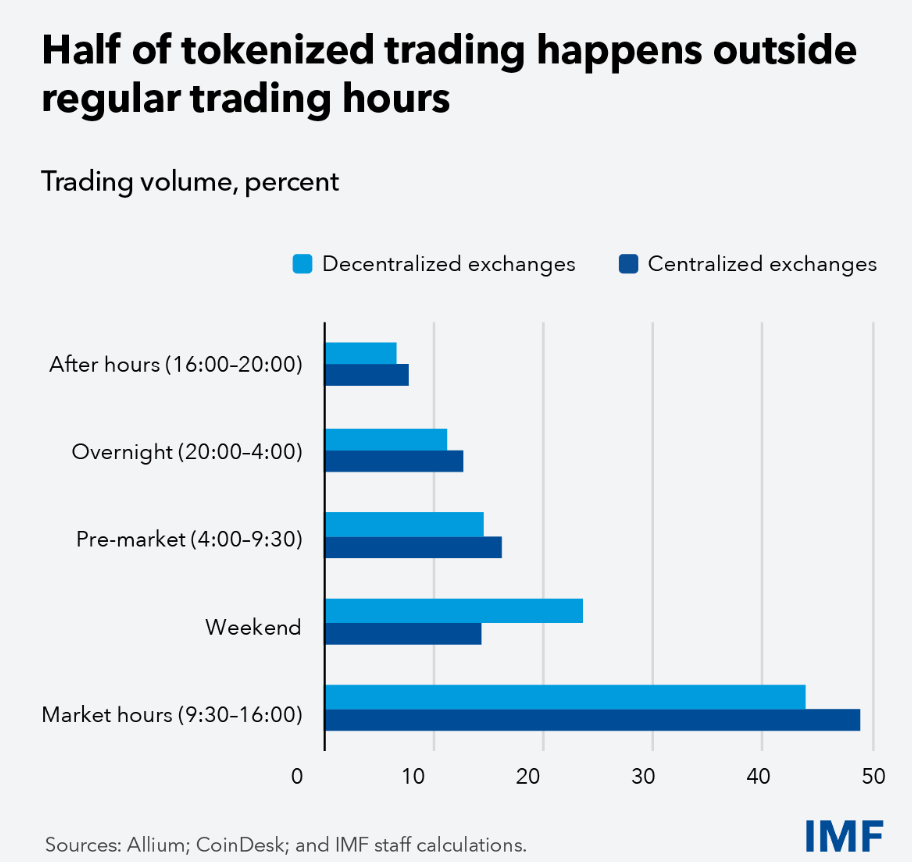
Tokenized stocks are digital tokens that represent equities on programmable ledgers. In a blog based on Chapter 3 of its October 2026 Global Financial Stability Report, the IMF said more than half of the tokenized-equity trading it examined happened outside traditional market hours. Around 80% of the trades were smaller than one share.
The IMF said these patterns suggest investors value access around the clock and the ability to buy less than a full share. They show demand for some features of tokenization, even though the market is still small and developing.
Trading access is growing faster than liquidity
The IMF also said overnight returns in tokenized equities are reflected in traditional equity prices shortly after regular markets open. It said this suggests the two markets respond to similar information and that overnight price signals can be relevant to traditional trading.
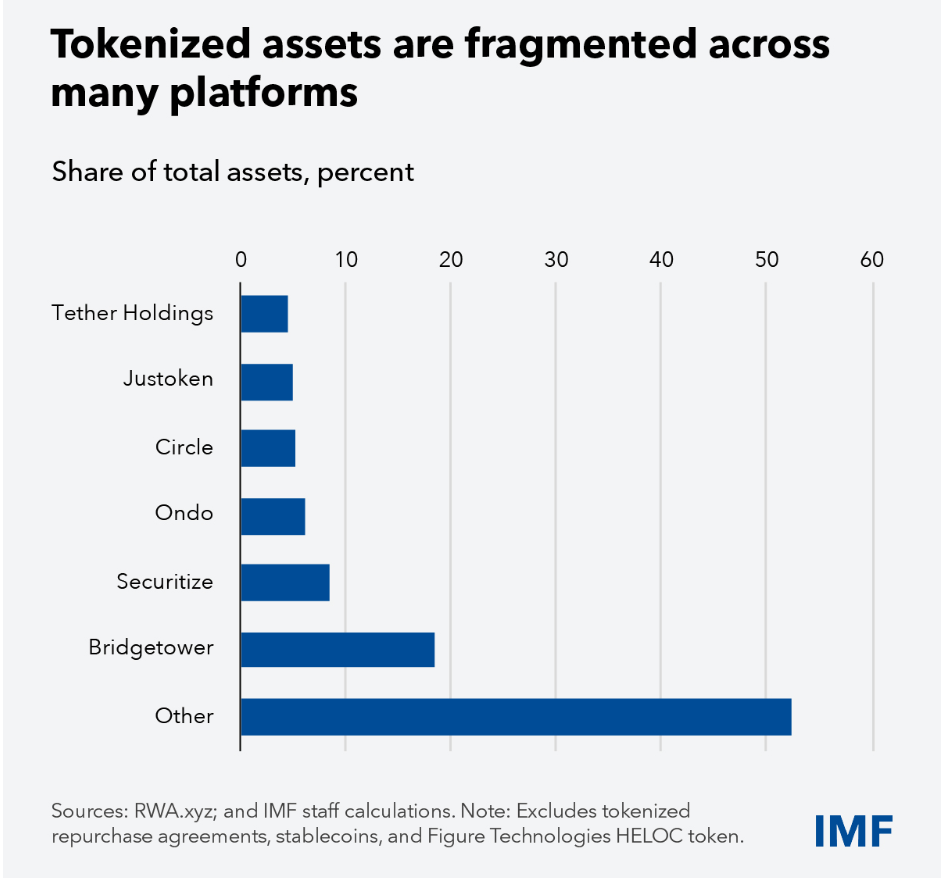
But the report says tokenized markets remain relatively illiquid and more volatile than their traditional counterparts. Trading is spread across separate platforms and networks, which can make it harder for buyers and sellers to meet and for prices to form efficiently. The IMF says this fragmentation can contribute to price differences across venues.
IMF calls for safeguards as tokenized markets develop
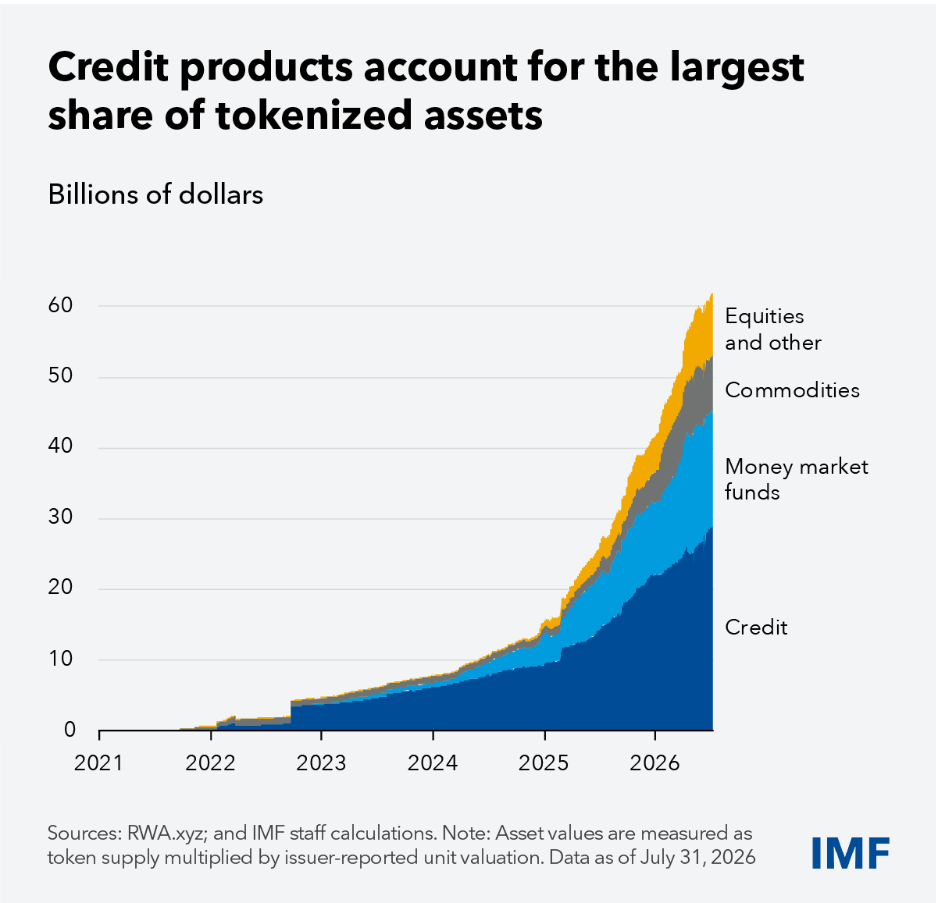
The IMF said tokenization could eventually make some financial processes faster and more automated. But it also warned that greater connections between platforms, leverage and round-the-clock activity could create new ways for market stress to spread, including through liquidity runs and forced asset sales.
The IMF said policymakers should clarify the legal rights attached to tokenized assets, apply comparable rules to similar activities regardless of technology, support links between tokenized and traditional systems, and monitor risks as the market grows. The report does not set a timetable for these measures.
Analysis
The IMF’s findings suggest tokenized stocks are meeting some investor needs, especially after-hours access and fractional trading.
But interest in these features does not yet mean the market is deep or stable.
Fragmented platforms and thin liquidity may leave prices more volatile than those of traditional shares.
The report points to legal clarity and better links between trading systems as important conditions for safer growth.
If tokenized markets expand, their benefits could grow alongside risks such as liquidity stress and shocks spreading between platforms.
For now, the IMF’s message is that market infrastructure and safeguards need to develop alongside demand.
Frequently Asked Questions About Tokenized Stocks
What are tokenized stocks?
Tokenized stocks are digital tokens that represent stocks or equity interests, with ownership records maintained on a blockchain or similar digital ledger. Their legal structure and holder rights can vary. SEC Investor.gov explains tokenized securities.
What did the IMF find about demand for tokenized stocks?
The IMF reported that more than half of the tokenized-equity trading it examined occurred outside traditional market hours. Around 80% of the trades were smaller than one share—patterns the IMF said suggest interest in extended-hours access and fractional trading.
Can tokenized stocks be traded outside regular market hours?
Some tokenized-equity trading takes place outside traditional market hours, according to the IMF. Trading hours and availability depend on the specific product and platform, so check their terms.
Do tokenized stocks always provide the same rights as regular shares?
No. Rights depend on how a token is structured. The SEC describes issuer-sponsored and custodial models, as well as synthetic tokens that may provide price exposure without rights in the referenced company. Review the product’s disclosures to understand what the token represents.
Are tokenized stocks more volatile or less liquid?
The IMF says tokenized markets remain relatively illiquid and more volatile than traditional markets. It also warns that trading split across platforms and networks can weaken liquidity and affect price formation. The IMF discusses these market risks.
Are tokenized stocks regulated by the SEC?
In the United States, the SEC says tokenized securities remain subject to securities laws; changing the format in which a security is recorded does not by itself change how those laws apply. The rules and rights involved can depend on the product’s structure.
What risks could grow as tokenized markets expand?
The IMF warns that greater interconnectedness and leverage could create channels for financial stress to spread, including liquidity runs and forced asset sales. It recommends legal clarity, links between systems, and safeguards that keep pace with market growth.